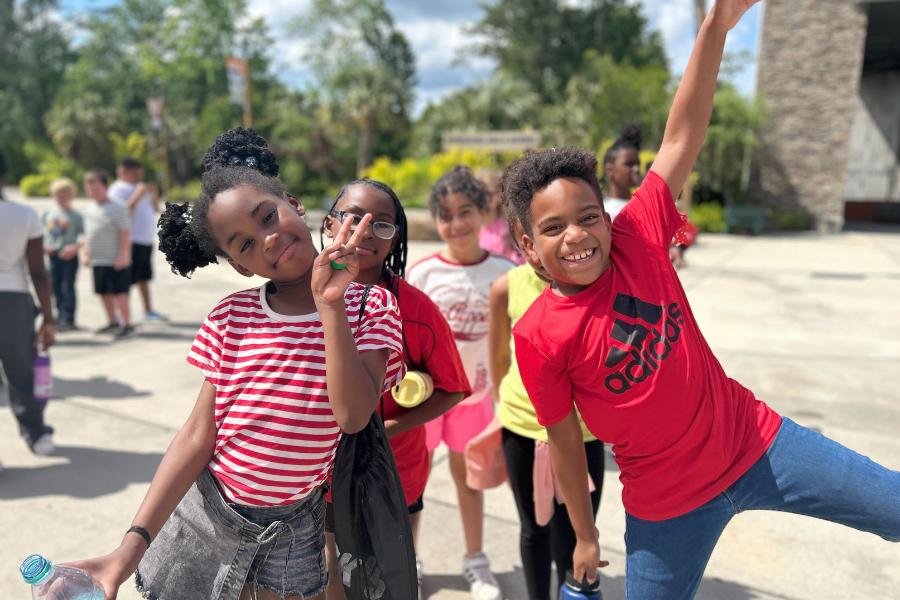
Summer programming offers a unique opportunity for student growth. Research shows that informal learning environments (think day camp, overnight camp, summer school, etc.) can powerfully develop children’s social-emotional skills alongside academics—but only when we’re intentional about how we design these experiences.
Your Implementation Roadmap
Week 1: Choose one strategy to focus on and train staff specifically on that approach
Week 2: Implement with intention and gather feedback from both children and staff
Week 3: Refine based on what you’ve learned and add a second strategy
Week 4: Reflect on growth you’re seeing in children’s social-emotional skills
Remember, the goal isn’t perfection—it’s intentional practice. Every interaction becomes an opportunity for social-emotional learning when we approach summer programming with this mindset. Here are four research-backed strategies to maximize social-emotional development within your summer program.
Design for Connection
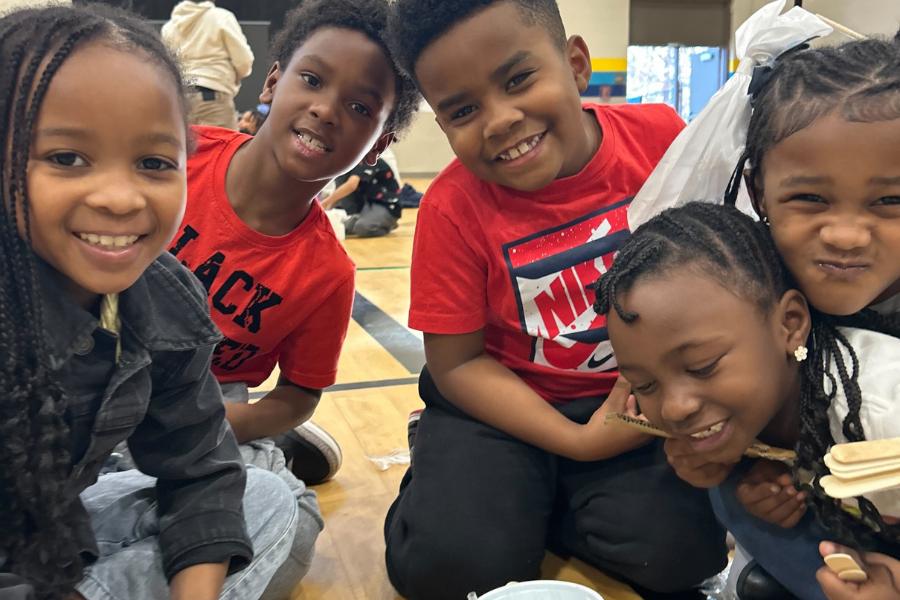
Structure activities that require collaboration and peer interaction because when children work toward shared goals, they naturally develop empathy, communication skills, and social awareness.
The Research
According to a study from the Collaborative for Academic, Social, and Emotional Learning (CASEL), students who participate in collaborative learning environments show a 13% increase in social-emotional skill development and improved peer relationships compared to those in individual learning settings.
Put It Into Practice
Group Problem-Solving Activities
- Create escape room-type challenges where teams must combine different skills to succeed
- Design engineering projects that require each child to contribute their unique strengths
- Organize a recipe-making activity where children must share resources and make collective decisions
Structured Peer Learning Ideas
- Pair older and younger children as “learning buddies” for reading or math activities
- Implement peer tutoring systems where children teach each other new skills
- Create collaborative art projects that require planning, compromise, and shared vision
Community Connection Projects
- Partner with local organizations for service learning that requires teamwork
- Organize neighborhood clean-up efforts where children coordinate roles and responsibilities
Looking for fun skill-building activities? Head to our Activities & Games page to find over 100+ ways to make learning fun!

Embrace the Mess
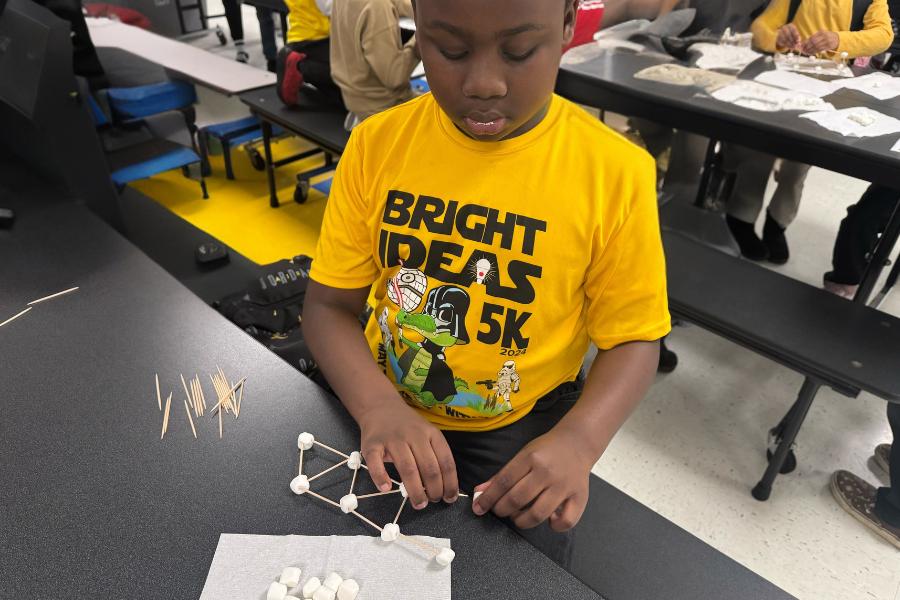
Informal settings allow for trial and error in ways formal classrooms often can’t. When children navigate challenges and setbacks in supportive environments, they build resilience and problem-solving skills.
The Research
A 2020 study published in Child Development found that children who are given space to experience and reflect on failure in supportive settings demonstrate higher levels of perseverance and adaptive problem-solving. These experiences help form the foundation for resilience and self-efficacy.
Put It Into Practice
Process Over Product
- Focus conversations on effort, strategy, and learning rather than final outcomes
- Create multiple pathways to success within the same activity
- Encourage experimentation by removing the pressure of “getting it right” the first time
Conflict as Curriculum
- When disagreements arise during activities, pause to problem-solve together rather than immediately intervening
- Create “mistake celebrations” where children share what they learned from things that didn’t go as planned
- Use group reflection time to discuss challenges and brainstorm solutions collectively
Failure-Friendly Experiments To Try
- Science investigations where “failed” experiments lead to new questions and discoveries
- Cooking projects where recipe mistakes become learning opportunities about measurement and following directions
- Building challenges where structures falling down spark discussions about persistence and redesign

Prioritize Relationships
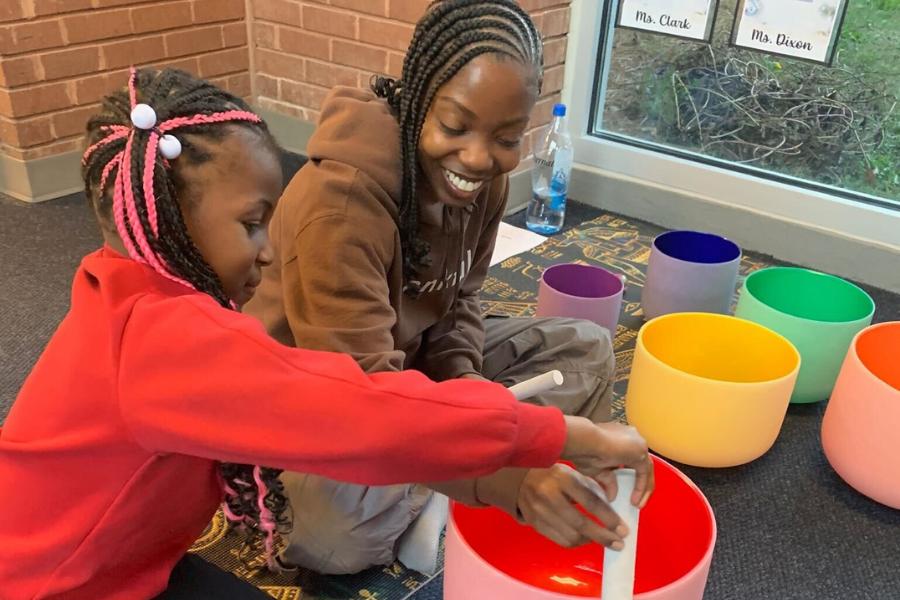
Trusting relationships and intentional modeling create the foundation for meaningful social-emotional growth. Children learn emotional regulation and social skills from the adults they trust the most.
The Research
The Center on the Developing Child at Harvard University emphasizes that “responsive relationships with caring adults are the most important factor in building resilience in children.”
Put It Into Practice
Intentional Relationship Building Ideas
- Start each day with individual check-ins that go beyond “How are you?”
- Create small group structures so adults can get to know children more deeply
- Schedule regular one-on-one time between staff and children, even if just five minutes
Emotional Regulation Modeling
- Narrate your own emotional regulation strategies out loud: “I’m feeling frustrated right now, so I’m going to take three deep breaths”
- Share appropriate personal stories about overcoming challenges or managing difficult emotions
- Demonstrate conflict resolution skills in real-time when disagreements arise
Consistent Care Systems
- Create predictable routines that help children feel secure and connected
- Establish clear, consistent expectations that are communicated with warmth rather than rigidity

Make It Relevant
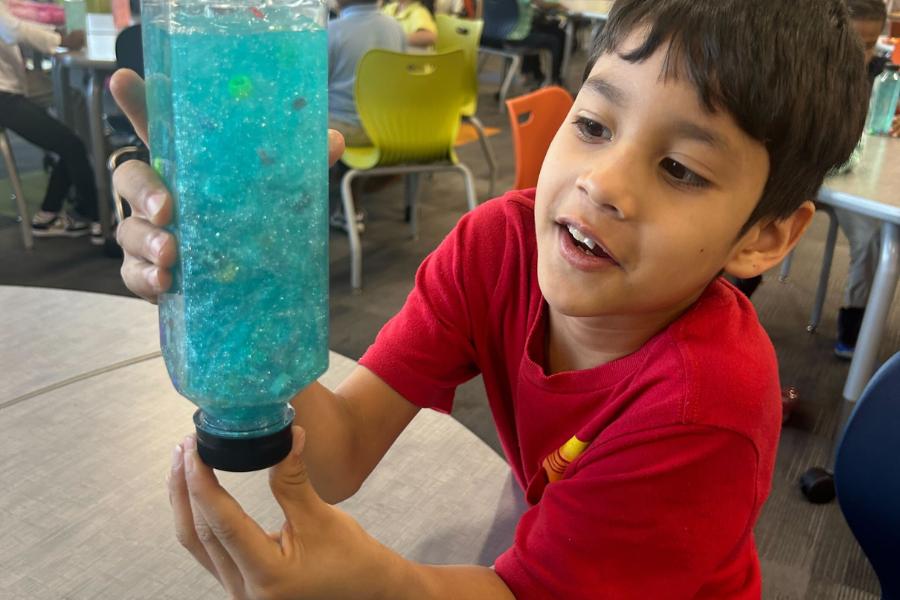
Connect activities to children’s real experiences and interests. When learning feels meaningful and personally relevant, children invest more deeply in developing both academic and social-emotional skills.
The Research
A 2022 report from The Wallace Foundation found that programs that integrate youth voice and cultural relevance see significantly higher engagement and SEL outcomes, with participants 20% more likely to report a sense of belonging and agency.
Put It Into Practice
Interest-Driven Programming
- Ask children about their passions and incorporate these into weekly themes
- Allow children to be involved in designing activities related to their expertise or cultural backgrounds
- Create “choice time” where children can pursue individual interests while practicing social skills
Real-World Problem Solving
- Address genuine community issues that children have identified and care about
- Use current events that affect children’s lives as springboards for discussion and action
- Connect learning activities to children’s future goals and aspirations
Cultural Connection
- Invite families to share traditions, foods, or skills with the group
- Celebrate the diverse backgrounds represented in your program through storytelling and shared experiences
- Help children see their own experiences as valuable contributions to the group’s learning