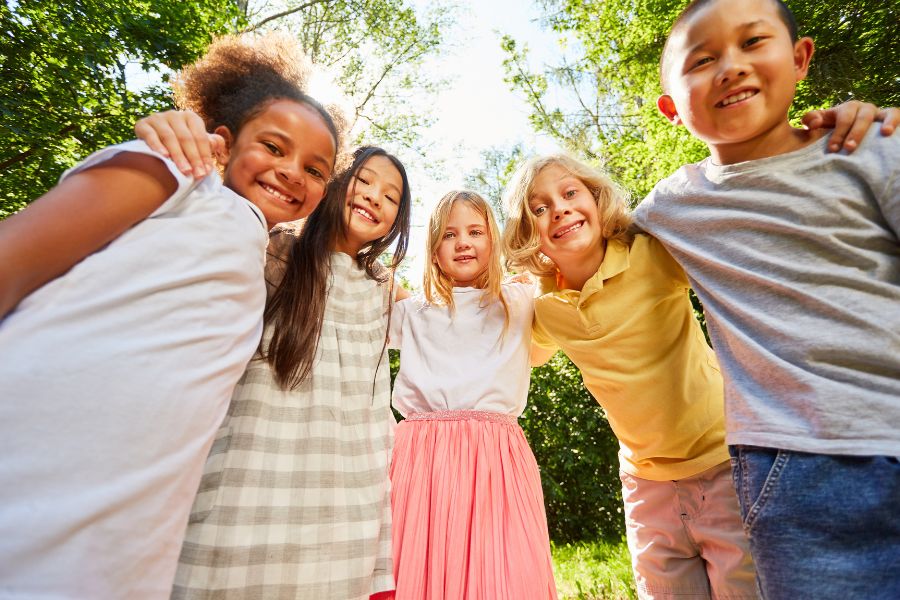
Friendship forms the foundation of social-emotional learning, helping children develop the interpersonal skills they need to build meaningful relationships and navigate social situations throughout their lives. With thoughtful planning and targeted activities, you can effectively teach children essential skills including empathy, respect, generosity, kindness, and trust.
Whether you’re an educator, parent, or caregiver, dedicating focused time to friendship education offers valuable opportunities for social-emotional learning and character development. Try this “Friendship Unit” approach to consistently reinforce relationship-building skills throughout the week.
Monday
Activity: Kindness Jar
Kick-off the start to your “Friendship Unit” with this challenge that will wrap up on Friday.
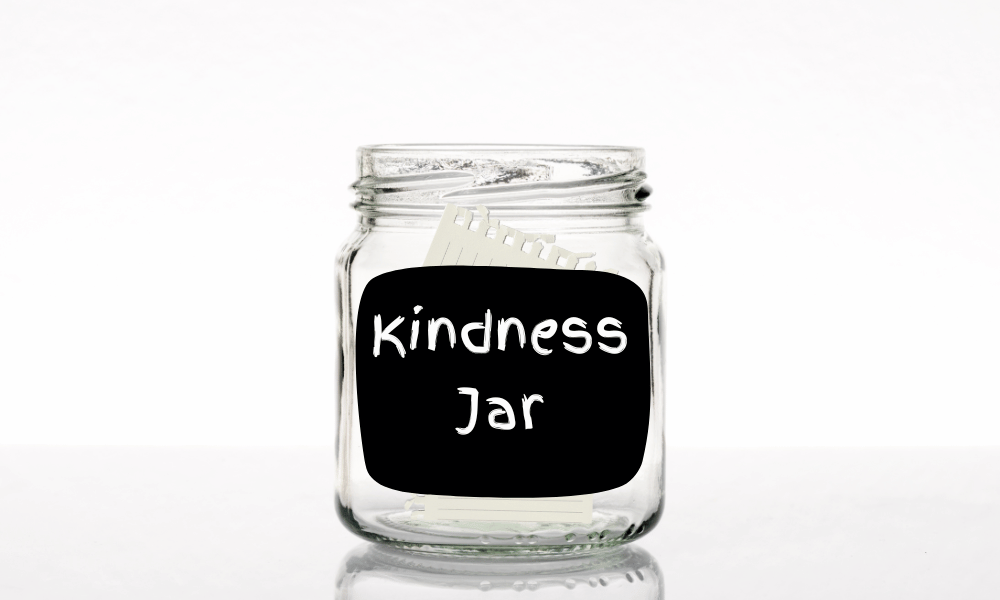
Kindness Jar Activity
Students reflect on their kind actions and the kind actions of others in this week-long challenge.
For this activity, you’ll need a jar, slips of paper and pencils. Set aside time at the end of each day to have students write down two things on slips of paper:
- Something nice they did for others
- Something nice someone did for them
After finishing writing have students put their slips in the jar. At the end of the week, have students help you read aloud all of the acts of kindness that were in the jar. After reading aloud all of the kindness notes, have students make a paper chain with them and hang it around your space as a reminder to be kind.
Tuesday
Activity: Compliment Book
Encourage students to appreciate and acknowledge each other’s unique qualities by creating Compliment Books.
- Begin by introducing the importance of kindness and positive affirmations and how they are important to fostering strong friendships.
- Next, have each student write a draft of a heartfelt compliment for every classmate. The compliments can range from recognizing individual strengths, or talents that contribute positively to the classroom dynamic, or they can choose specific qualities of a good friend that their classmates possess.
- Teachers should review the drafts to ensure they meet the standards above.
- Once all the compliments are collected, compile them into personalized compliment books for each student.
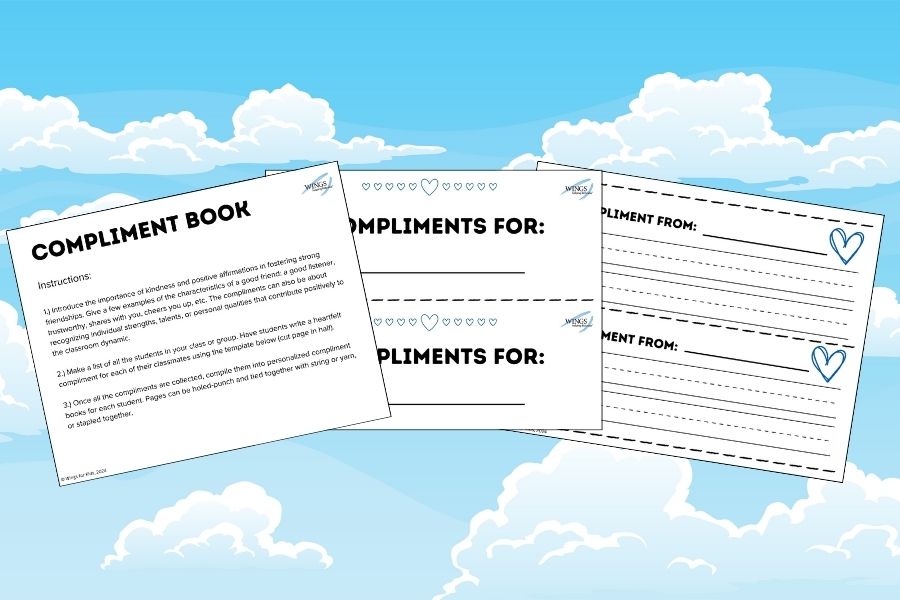
Compliment Book Template
Download a free Compliment Book template to use with your students!
These books become tangible, heartwarming reminders of their belonging to the group. The act of creating and receiving a compliment book can boost self-esteem among students and reinforce a sense of camaraderie within the class.
Wednesday
Mini-Lesson: Kindness Matters
Students will explore what kindness is, understand why it’s important, and practice showing kindness in their everyday interactions.
In this mini-lesson, students will create paper hearts and write one act of kindness they can do on it. It could be helping a friend, being a good listener when needed, or teaching someone a skill that they are good at to someone else. After, teachers or staff prompt a deeper conversation about how kindness shows up in their lives.
Find the full mini-lesson, including instructions and downloads here: Mini-Lesson: Kindness Matters

Thursday
Activity: Common Ground
Help students learn more about each other in an active and engaging game.
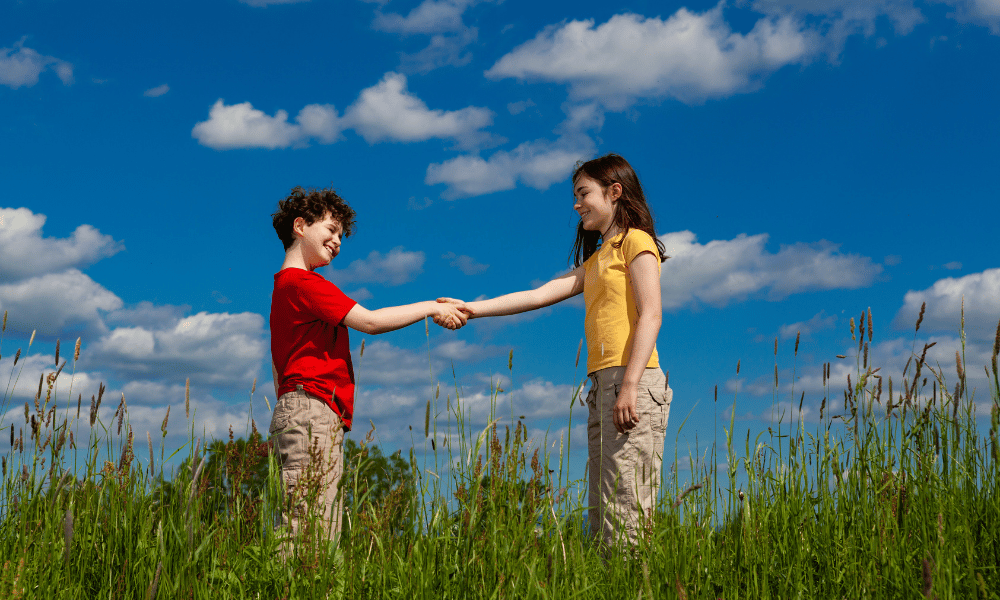
Students learn more about each other and experience moving around the space in this engaging game that promotes social awareness. Access the full instructions to the activity here: Common Ground
Friday
Lesson: Be A Friend Who Supports and Trusts Others
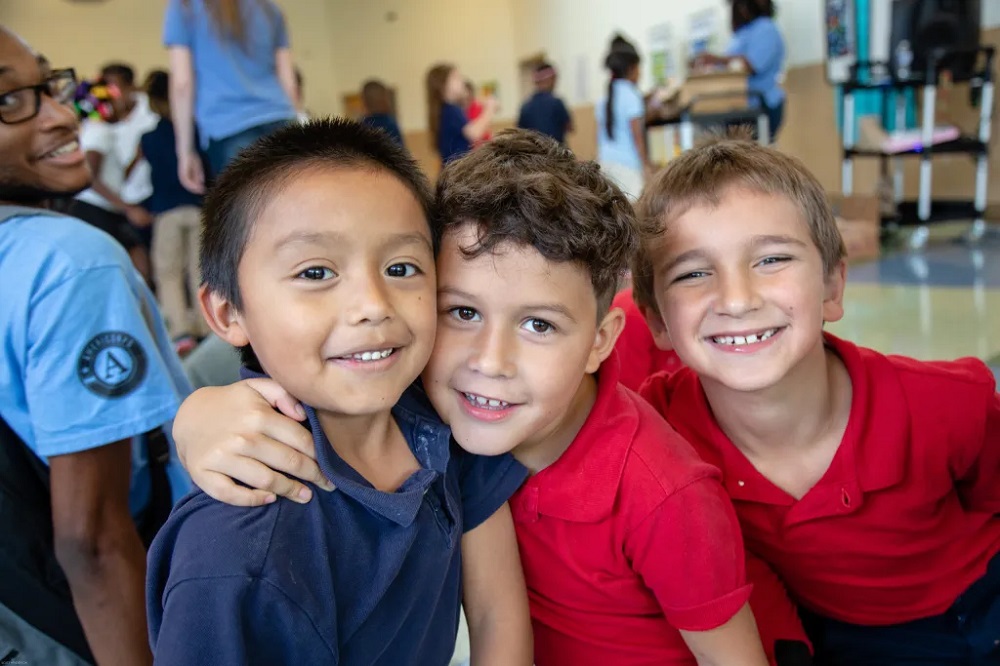
Lesson Plans for Grades K-1, 2-3, and 4-5
Help introduce the concept of being a friend who supports and trusts using positive feedback.
Teach kids the importance of giving positive feedback and responding to another’s feelings using WINGS Lesson Plans, designated by grades K-1, 2-3, or 4-5. In this specific Lesson Plan: Be A Friend Who Supports and Trusts Others, students will:
- Practice sharing encouraging comments with others
- Demonstrate encouragement of others and recognition of their contributions
- Recognize when it’s appropriate to give a compliment
- Demonstrate expressing appreciation to someone who has helped them
Promoting friendship and kindness is vital for fostering inclusive learning environments. Teaching these skills not only inspires students but also prepares them to become successful and respectful community members. By embracing this responsibility, we can actively encourage healthy friendships in our learning spaces.