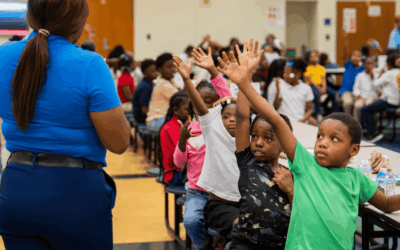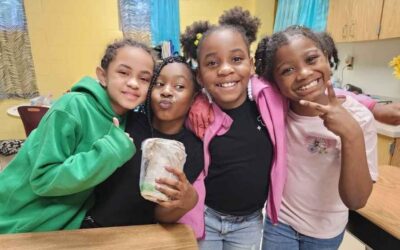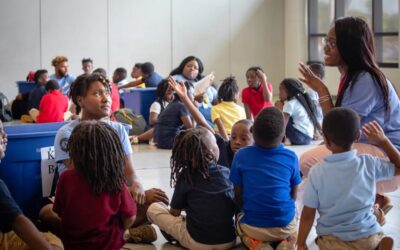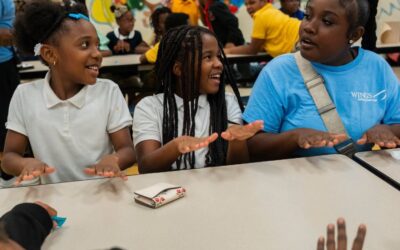

Social emotional learning doesn’t happen in one lesson — it’s built over time, through consistent practices that foster belonging, connection, and trust. For afterschool educators and youth-serving professionals, maintaining a strong community throughout the program year is one of the most important (and often overlooked) dimensions of effective SEL work.
This resource outlines 10 evidence-informed practices that help afterschool professionals keep community alive.
Why Community-Tending Is a Core SEL Practice
Research consistently shows that children learn social and emotional skills most effectively in environments where they feel safe, seen, and connected. But that sense of community doesn’t sustain itself — it requires intentional, ongoing effort from the adults who lead programs.
The practices below are organized into three categories that reflect the lifecycle of community in any youth program: knowing your kids, building group identity, and repairing and renewing when things get hard.
Part 1: Knowing Your Kids
Strong SEL communities start with genuine relationships. These three practices help educators stay connected to individual children throughout the year.
1. Two-Minute Check-Ins
A brief, agenda-free conversation with a child you haven’t connected with recently is one of the highest-leverage moves an afterschool educator can make. No worksheet required — just genuine curiosity about a kid’s world.
Pro tip: Keep a mental note of who you haven’t spoken to one-on-one in a few days. Those are the children who most need a check-in.
2. Noticing and Naming Growth
Vague praise (“good job!”) is forgettable. Specific, observed recognition is remembered. When an educator says, “I’ve noticed how you’ve started helping other kids without being asked,” that child hears: you see me.
The more specific the observation, the more powerfully it lands — and the more it reinforces the exact social-emotional behaviors you want to cultivate.
3. Interest-Led Moments
SEL is relational, and relationships are built on memory. When you reference something a child told you weeks ago — a favorite game, a sibling’s name, a goal they mentioned — you communicate that they matter enough to remember.
Implementation idea: Jot down one meaningful thing you learn about each child at the start of the year. Return to those notes when you need a natural connection point.
Part 2: Building Group Identity
Individual relationships matter, but SEL also depends on a child’s sense of belonging to something larger than themselves — a group with its own identity, language, and history.
4. Co-Creating Group Agreements
When children help name how they want to treat each other — in their own words — those agreements carry real weight. Revisit them when things get hard, not as punishment, but as a compass the group built together.
For programs using a Words to Live By framework, group agreements should feel like natural extensions of that shared language.
5. Program Traditions
Recurring rituals — a special game, a shared phrase, an annual celebration — give a group a sense of history and identity that no curriculum can manufacture. When kids name and own the tradition, they’ll protect it.
Even small traditions signal: we are a we.
6. Celebrating Milestones
Marking time matters. Birthdays, the halfway point of the year, the final day of a season — these moments, when acknowledged, give a community a sense of continuity and shared story.
A simple statement — “We’ve been together for three months now” — is often enough to anchor that sense of collective history.
7. Letting Kids Lead
Ownership builds investment. When children are given increasing responsibility for community moments — leading a discussion, welcoming a new member, facilitating a game — they develop agency alongside belonging.
Start small and scaffold up. A child who leads one moment successfully is far more likely to step up again.
Part 3: Repairing and Renewing
Healthy communities don’t avoid rupture — they repair it. These three practices equip afterschool educators to reset, rebuild, and move forward.
8. Returning to Group Agreements
When things go sideways, return to what the group decided together. Not as a lecture, not as a consequence — as a shared compass. Posting agreements somewhere visible makes this easier to do in the moment without calling anyone out.
9. Fresh Starts
Conflict happens. Hard weeks happen. What matters is what comes after. An intentional reset signal — even something as simple as “Today we’re starting fresh” — can meaningfully shift the energy in a room and give everyone permission to move forward.
10. Community Check-Ins
Periodic, low-stakes reflection moments — where the group honestly assesses how they’re doing together — build trust in two directions: among the children, and between children and the adults who lead them. When kids see their feedback reflected in real changes, that trust compounds.

How to Use These Practices
These ten practices are not a checklist to complete. They work best when layered into the routines, rituals, and daily structures already present in your program. You don’t need all ten — you need the ones that match where your community is right now.
Ask yourself:
Where does our community feel strongest?
Where does it feel fragile or disconnected?
Which one or two practices could we deepen this week?
Community is not a program feature — it’s a living thing. These practices are how you tend it.