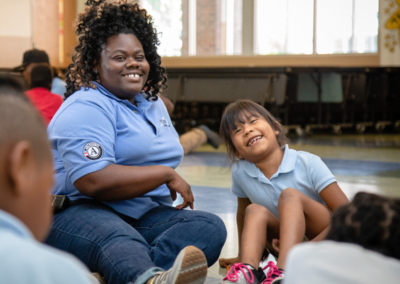
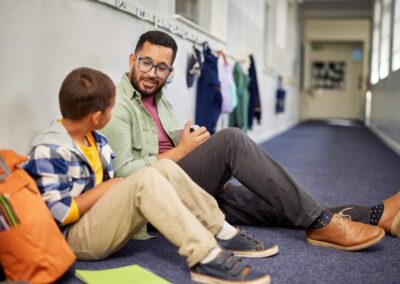
Dialoguing helps students express emotions, feel heard, and build connections with adults through active listening, fostering understanding and validation.
Our words and actions—whether positive or negative—have a profound impact on others. When we do something that negatively affects others, taking an empathetic approach to making amends can make apologies more meaningful.
Positive behavior management techniques like DDADA help to build a supportive, empowering, and respectful environment where kids feel safe to develop their own skills.
Classroom discussions can be one of the best ways to engage students in solidifying their understanding of an SEL topic—building trust and connections along the way.
Behavior issues can arise when boredom or frustration sets in. Use MESS to engage students anytime, anywhere and you'll minimize the chance for problems.
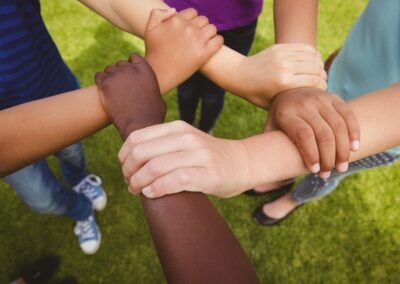
Learn how to read student behavior before you react. A practical guide for youth practitioners on recognizing needs and responding with connection first.
Conflict is part of life, so kids need to learn peaceful resolution. Guide them through these steps to help them practice handling conflicts on their own.