
Behavior is communication. Every child who argues, shuts down, wanders, or disrupts is telling you something — and the message is almost never about the behavior itself. As youth practitioners, our most powerful tool isn’t a consequence or a correction. It’s the ability to pause, observe, and ask: What is this child trying to tell me right now?
This guide will walk you through a practical framework for reading behavior in real time, so you can respond in ways that bring kids back to a learning state — rather than pushing them further into survival mode.
Start Here: The 3 Reads
Before you do anything else, take a moment to gather information. These three reads happen quickly — often in just a few seconds — but they will completely change how you respond.



Read The Body
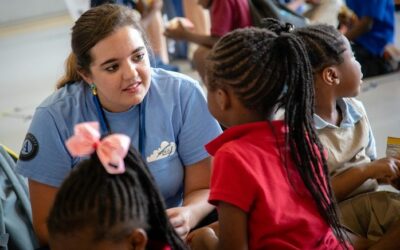
Posture, facial expression, muscle tension, eye contact, physical proximity to others. The body tells the story before any words are spoken.
Read The Energy
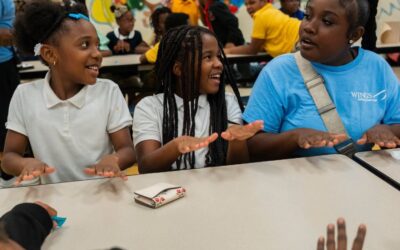
Is the child hyper, flat, scattered, or withdrawn? Energy level tells you how regulated — or dysregulated — their nervous system is right now.
Read The Pattern
Is this new behavior or a familiar one? Does it happen at the same time of day, around the same people, or during the same types of activities?
Behavior Signal Table: What You See, What It May Mean, What To Try
Once you’ve done your three reads, use this table to help identify the need underneath the behavior and choose a response strategy.
A Note on This Table
You’ll notice that most of the “What to Try First” strategies are about de-escalation and connection — not correction. That’s intentional. When a child is in a survival state, the part of the brain responsible for learning, reasoning, and self-regulation is essentially offline. Trying to teach, redirect, or discipline in that moment is like trying to have a conversation with someone mid-sneeze. The first job is always to help the child feel safe enough to return to a regulated state. Then — and only then — can real learning and growth happen.
Reading The Room: Group Signals
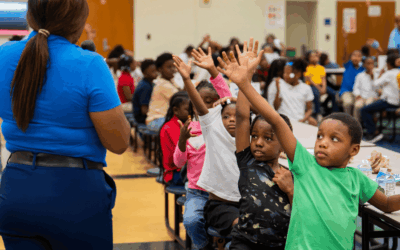
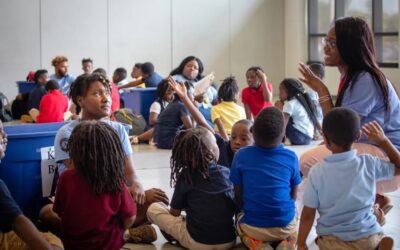
Individual behavior tells you about one child. Group energy tells you about the emotional climate of your entire program. Learning to read the room as a whole is just as important as reading individual kids.
Group dysregulation is often contagious — but so is group regulation. When you model calm, structure transitions thoughtfully, and name the positive energy you see, you help set the emotional tone for everyone in the room.
Before You Respond, Ask Yourself:
The most important pause in youth work isn’t the one you ask kids to take. It’s the one you take yourself. Before you respond to any behavior, run through these five questions:
-
Is this child in a learning state or a survival state right now?
-
What is this behavior trying to tell me?
-
What does this child need before I address what just happened?
-
Am I regulated enough to respond — or do I need a moment too?
-
Is there a pattern here I’ve been missing?
Reading the room is a skill, and like any skill, it gets sharper with practice. The more you slow down to observe before you react, the more you’ll start to see the need underneath the behavior — and the more effective your responses will become.
As the saying goes: “You can’t read a book you haven’t opened. You can’t reach a child you haven’t read.”
One last question — am I regulated enough? — is one practitioners often skip. But your nervous system is in the room too. Kids are incredibly attuned to the emotional state of the adults around them. If you’re activated, rushed, or frustrated, it shows — and it makes it harder for a dysregulated child to find their way back to calm.