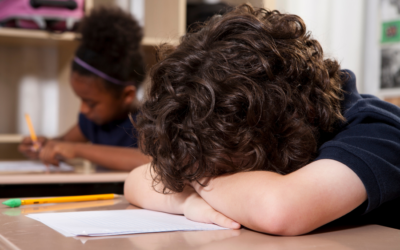

It could be as simple as not being able to put the marker cap back on. Or not being prepared for the spelling test that day. It could be any number of reasons that might cause a child to lose control of their emotions. Students face their fair share of challenges that can overwhelm them, but you can be there for support with SEL-based strategies in the moment.
As adults, we have a unique opportunity to help these young minds develop resilience and manage their stress levels effectively. In this article, we will explore some simple yet useful techniques that can empower students to navigate their emotions and find peaceful solutions for stress or anxiety.
Create a Calm Down Corner
One effective strategy is to create a designated space in the classroom or afterschool area known as the “Calm Down Corner.” This cozy corner can be equipped with soft pillows, calming sensory objects like stress balls or fidget spinners, and a few age-appropriate books on emotions and mindfulness. Encourage students to retreat to this corner whenever they feel overwhelmed, allowing them to take a break, gather their thoughts, and regulate their emotions in a safe and quiet space.

“I’ve found it helpful to create a questionnaire that students complete to determine what helps them calm down when they are upset or when their emotions are heightened. This helps me determine what objects or supplies will be most effective in our Calm Down Corner.”
Allow for Consistent Reflection Time
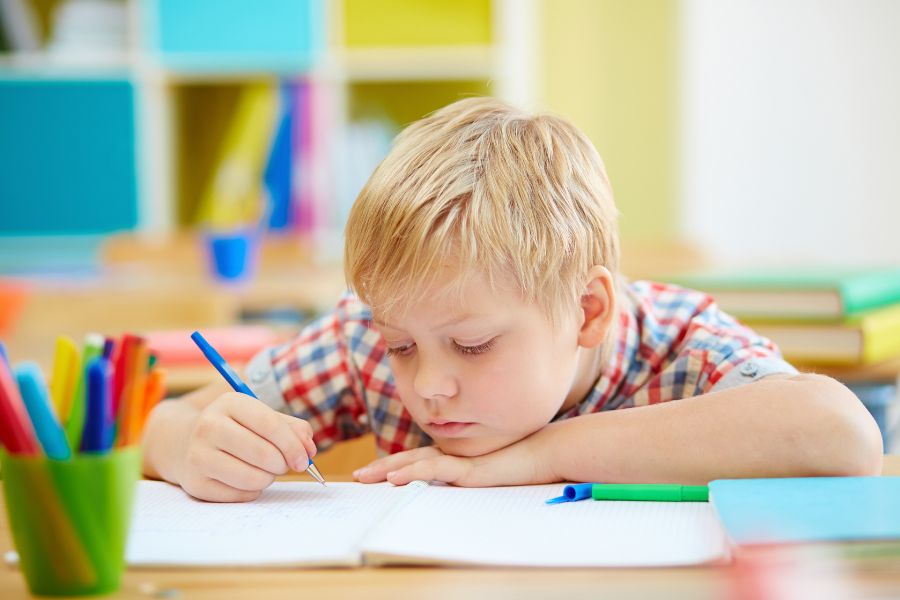
Writing can be a powerful tool for students to express their feelings and emotions. Journaling provides an opportunity for self-reflection and can serve as a healthy outlet for managing stress and anxiety. Encourage students to maintain a private journal where they can freely jot down their thoughts and concerns. Emphasize that these journals are personal and do not need to be shared unless the students want to. Adults can offer to respond to their students’ entries, providing guidance and support when needed.
Start the Day with Emotion-Focused Discussions
Dedicate a few minutes at the beginning of each day to engage students in open discussions about their feelings and emotions. Create a safe space where students can share what they are experiencing without judgment or ridicule. Encourage active listening and empathy among peers. This practice not only helps students develop emotional intelligence but also builds a sense of community and support within the classroom or afterschool environment.
Introduce Mindfulness Techniques
Mindfulness exercises can be a valuable tool for students to manage stress and anxiety. Teach simple techniques such as deep breathing exercises, guided visualization, or mindful coloring activities. Encourage students to take mindful breaks throughout the day to center themselves and refocus their attention. These techniques help students develop self-awareness, improve concentration, and create a sense of calm.
By implementing these simple yet effective techniques, we can support students in managing stress and anxiety levels. Creating a Calm Down Corner, fostering private journaling, starting the day with discussions about emotions, and introducing mindfulness techniques can empower students to navigate their emotions with confidence and give them the tools they need to manage stress and anxiety independently.